
 look book

latest
habitat tv

Say goodbye to the morning scramble for keys, coats and sunglasses and hello to this… see this and more videos
blog
Reader roundup: Public murals and powder blues
A Morningside mural, an exterior refresh, and striped walls. Let these projects be your inspiration… more
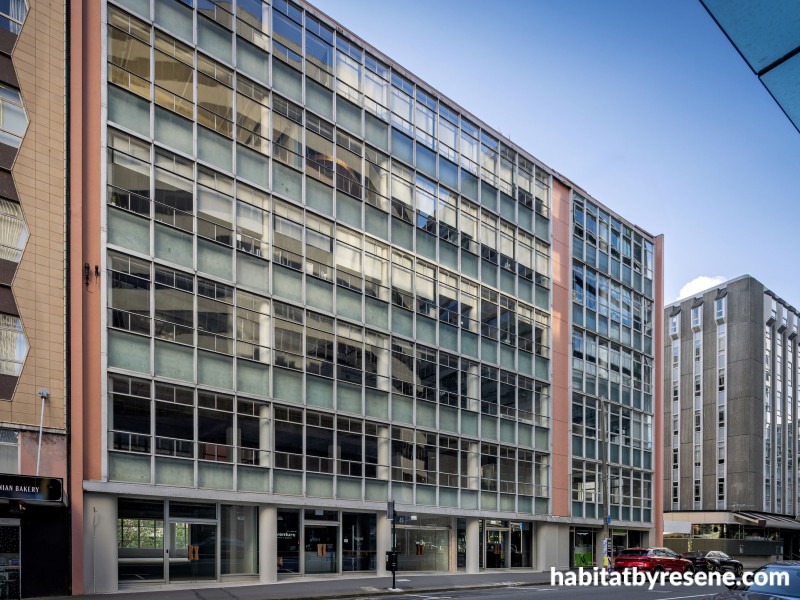
Massey House in Wellington was the first building in New Zealand to feature a curtain wall façade.
Out with the new
08 Jun 2026
Designed by Ernst Plischke and Cedric Firth and completed in 1957, Massey House was New Zealand’s first curtain-walled, ‘high-rise’ office building and an early example of Modernist architecture in the country.
Beginning in 2022, a major refurbishment – including seismic strengthening to 100% NBS (new building standard) – sought to restore much of the building’s original features, while also upgrading base-build services and incorporating all new end-of-trip facilities.
Tasked with overseeing the design of the refurbishment was the team from architecture+, says director, Belinda Tuohy.
“We had worked with the building’s owners, The Wellington Company, and project managers, Egmont Dixon, on a number of projects previously and Massey House was a part of their property portfolio that presented a real opportunity to bring some quality commercial space back down to that end of Lambton Quay.
“Although the building itself is listed, the interior does not carry heritage status, so the focus of the design was to strip out the 1990s-era updates and to reinstate and preserve, where possible, the original character features instituted by Plischke and Firth – the public lobbies, corridors out to the street frontages, and the curtain wall.”
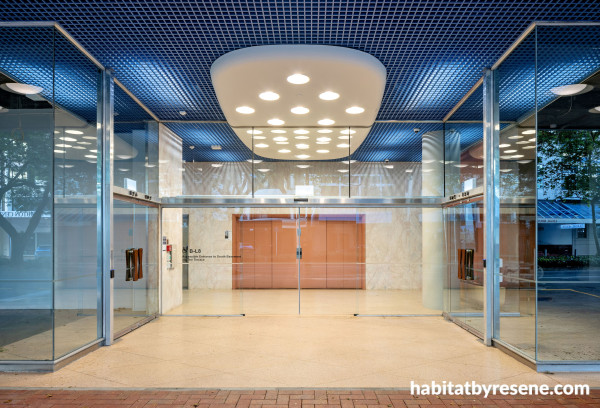
Original details, such as the ‘egg crate’ ceiling, ‘cloud’ ceiling panel in Resene Wan White, and lift doors in Coral Tree, were restored and reinstated after a series of a later updates had been stripped out.
Uncovering the original colour and material palettes required months of investigation, with the team carefully scraping back multiple layers of paint throughout the building. The results were unexpected and pleasantly surprising.
“Before we started, we only had black and white photographs for reference; we had no indication of what the colours were, so everything was done by discovery. In addition to the original paint scheme, we uncovered various coloured Formica-style laminates used as wall panelling, terrazzo flooring, and colourful lino tiles under the floor screed.
“The original 1954 specification by Plischke specifically calls for Resene paint, making this, potentially, one of the earliest Resene specifications for a significant government project, given the launch of the Resene brand name only three years earlier.
“However, there was no record of the actual colour names or designations, so it was a real surprise when we stripped back the stairwells and discovered that they were yellow and burgundy.”
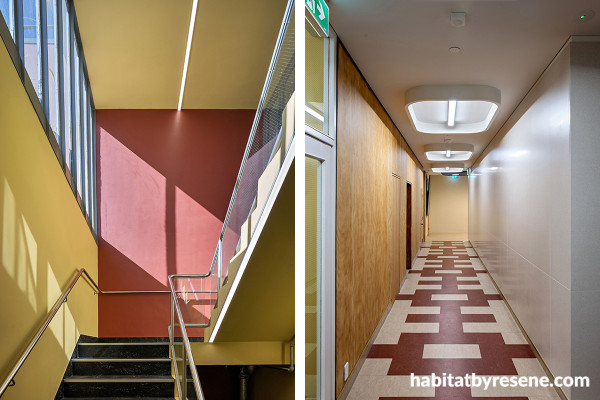
While there was no official record of the colours used throughout Massey House, the architecture+ team, along with heritage architect, Ian Bwowman, was able to determine that the yellow of the stairwell walls was BS381C 'Pale Cream' (352). Both this, and the new colour, Massey Building Maroon, were colour-matched by Resene. Interior corridor walls were painted in Double Spanish White, while rimu veneer walls feature Aquaclear Satin.
Belinda says they were able to match the yellow colour to a swatch on the British Standard colour chart, BS 381C.
“The heritage architect, Ian Bowman, had some of the original 381C charts, so we were able to match two colors off that chart – Pale Cream, the yellow used in the stairwells, and Smoke Grey, which was used behind the textured glass façade. So, we found two colours but aside that we couldn't really determine any of the others.
“That’s where Craig Ell, our Resene representative, came in. He arranged for the original colours to be matched for us, which was fantastic. We were constantly sending him away with colour chips, and there were lots of crazy colours, in the basement particularly, where there are rooms that have, for reasons we don't understand, yellow on the ceiling, blue on one wall and pink on another. I don't know if it was a way of using up leftover paint, but Craig went and had them colour matched for us anyway and we put all those colours back again,” says Belinda.
“So, there were a lot of surprises on the interior, especially in terms of colour. In terms of the exterior colour palette, we discovered the pink pretty quickly. Between the original 1954 building and the 1969 addition, there's a small cavity from where we were able to take a plaster sample. The blue plaster, used on top of the building, we didn't uncover until a bit later and that was done through chipping a piece of plaster off. Both of which, Craig was able to match for us.”
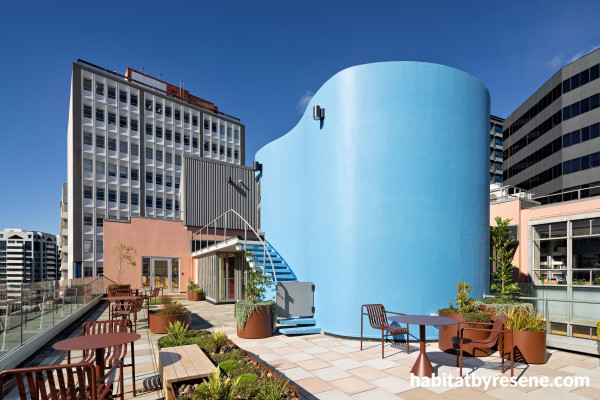
On the roof terrace, exterior features sport custom colours: 126 Lambton Quay Plaster Colour and Massey House Blue, both colour-matched to the original colours specified by Ernst Plischke.
“While it seemed quite daunting at times, the whole process felt like a masterclass in colour from Plischke, and has encouraged us to be bolder in our use of colour generally.”
| Resene system | Application |
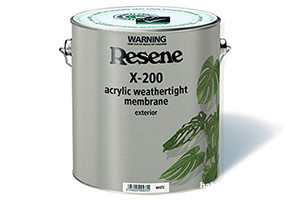 | Specified for the exterior of the building to provide improved weathertightness of the concrete facade |
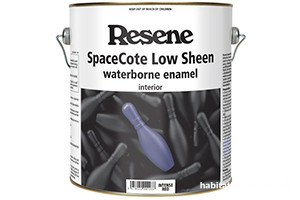 | Specified for interior walls, generally, for its toughness and low-sheen appearance |
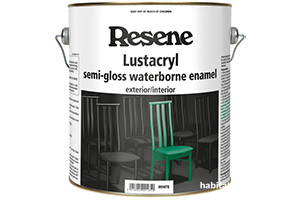 | Specified for timber doors and trim to provide durability |
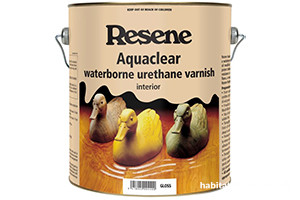 | Specified for the rimu veneer walls to provide a natural finish |
| Specified for the exposed interior steelwork due to its compatibility with the shop primer and corrosion |
Published: 08 Jun 2026